

Finding the Best Vitamin C Serum in Pakistan can feel overwhelming — especially with so many options flooding the Pakistani market. In this article, we’ve rounded up the best vitamin C serums available in Pakistan to help anyone make a confident choice. Whether someone is a skincare beginner or already exploring powerhouse ingredients like niacinamide serum, this guide breaks down top picks by effectiveness, price, and skin type — so everyone can glow without the guesswork.
What Is Vitamin C Serum and Why Does Everyone Need It?
Vitamin C serum has quietly become one of the most talked-about steps in any solid skincare routine and for good reason. At its core, it is a lightweight, fast-absorbing treatment packed with ascorbic acid or one of its gentler derivatives, designed to deliver a concentrated dose of antioxidant protection directly into the skin.
What makes it stand out from a regular moisturiser or vitamin C face wash is its ability to target specific skin concerns that daily cleansing simply cannot fix. Dull skin, dark spots, uneven pigmentation, and early signs of aging all respond well to consistent vitamin C use. It works by neutralising free radicals caused by UV exposure, stimulating collagen production, and gradually brightening areas of hyperpigmentation making it one of the hardest-working serums in any skincare lineup.
For anyone living in Pakistan, where intense sun exposure and pollution are daily realities, antioxidant protection is not a luxury — it is a necessity.
Benefits of Vitamin C Serum for Pakistani Skin
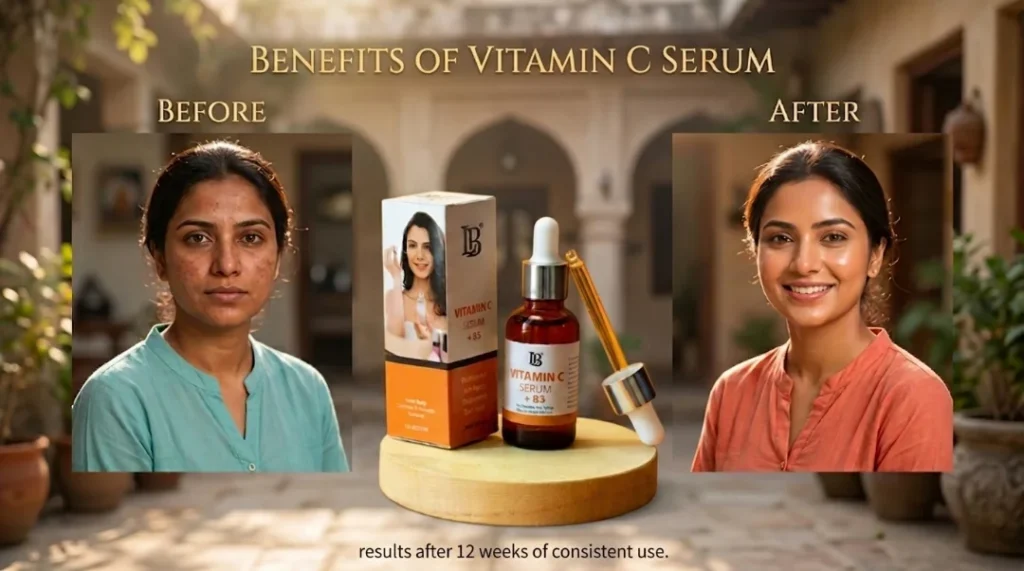
Pakistani skin tones are beautifully diverse, but they also share some common challenges: sun-triggered pigmentation, post-acne marks, and a tendency toward uneven skin tone worsened by heat and humidity. Here is what a good vitamin C serum consistently delivers:
Brightens Dull Skin
One of the first things users notice is how much more radiant and youthful the skin looks after a few weeks of use. Vitamin C inhibits melanin overproduction, which means it gradually works to even out skin tone and reduce the appearance of dark spots left behind by acne or sun damage.
Fights Hyperpigmentation
Hyperpigmentation is among the top skin concerns for people across Pakistan. Vitamin C, especially in the form of l-ascorbic acid or ethyl ascorbic acid, directly targets melanin clusters in skin cells, fading discolouration over time without harsh bleaching agents.
Supports Collagen Production
Collagen is what keeps skin firm and youthful. Vitamin C plays a direct role in collagen synthesis, helping to reduce fine lines and improve overall skin texture — making it just as useful for younger users trying to prevent damage as it is for those managing existing signs of aging.
Provides UV and Environmental Defence
While vitamin C is never a substitute for sunscreen, it significantly boosts the skin’s resilience against UV rays and environmental stressors. When layered under SPF in the morning, it amplifies protection and helps guard against UV damage throughout the day.
Hydrates and Strengthens the Skin Barrier
Many modern serums pair vitamin C with hyaluronic acid or aloe vera to keep skin hydrated while the active ingredient does its work. A well-formulated serum not only brightens but also keeps the skin barrier intact, which is particularly important for those with sensitive skin or acne-prone skin.
Understanding Vitamin C Derivatives — Which Form Is Best?
Not all vitamin C serums use the same form of the ingredient, and this matters more than most people realise. The active form l-ascorbic acid is the most potent and well-researched, but it is also the least stable and most likely to cause irritation on sensitive skin. Several gentler vitamin C derivatives have been developed to address this:
Ascorbic Acid (L-Ascorbic Acid)
This is the pure, most studied form. Highly effective for those with normal skin or oily skin that tolerates actives well. However, it degrades quickly upon exposure to light and air, so packaging matters enormously.
Ethyl Ascorbic Acid
A stable form of vitamin C that is well tolerated by a wide range of skin types. It converts to ascorbic acid once absorbed, delivering results without the sensitivity risk. Many quality imported vitamin C serums rely on this derivative.
Sodium Ascorbyl Phosphate
Another stable and gentle option, this is often the preferred choice for acne-prone skin because it is non-comedogenic and does not clog pores. It is also suitable for sensitive skin, making it a popular choice in formulas targeting different skin types.
Ethyl Ascorbic Acid vs. Ascorbic Acid
For those new to vitamin C or with reactive skin, ethyl ascorbic acid is the smarter starting point. It is stable, gentle, and effective. Long-term users with a higher tolerance often graduate to l-ascorbic acid for its faster brightening effects.
Quick Comparison — Which Vitamin C Serum Is Right for You?
| Serum | Form & % | Stabilizers | Best for |
| Vitamin C + B5 | Vitamin C + Panthenol (B5) | Panthenol (B5) | Dry, sensitive & acne-prone skin targeting dark spots and post-acne marks |
| Vitamin C 25% Serum | L-Ascorbic / Ascorbic Acid 25% | Vitamin E + Ferulic Acid recommended | Experienced users with oily or normal skin seeking maximum brightening & collagen boost |
| Vitamin C 15% Serum | Stable Vitamin C 15% | Varies by formula | All skin types, beginners & sensitive skin — balanced daily brightening & antioxidant protection |
| Garnier Bright Complete | Not disclosed (likely SAP/MAP) | None stated | Mass-market beginners |
| AccuFix Vit C Serum | SAP 10% | None stated | Sensitive skin first-timers |
How to Choose a Serum Based on Skin Type
Choosing the right formula is just as important as choosing the right ingredient. Here is a quick breakdown by skin type:
Oily Skin
Look for a lightweight, water-based vitamin C serum for oily skin — ideally one labelled non-comedogenic. A c serum for oily skin should absorb quickly without leaving any greasy residue. Sodium ascorbyl phosphate works particularly well here.
Dry Skin
Dry skin benefits from a serum that combines vitamin C with hydrating ingredients like hyaluronic acid or vitamin E. These help maintain hydration while the vitamin C works on brightening and collagen stimulation.
Sensitive Skin
Anyone with reactive or easily irritated skin should look for a serum containing a gentle form of vitamin C ethyl ascorbic acid or sodium ascorbyl phosphate are both suitable for sensitive skin. Starting with a lower concentration (around 10%) and building up slowly is always advisable.
Acne-Prone Skin
Vitamin C can actually support acne-prone skin by reducing post-acne marks and keeping pores clear — provided the formula is non-comedogenic. Avoid heavy or oil-based serums that could trigger breakouts.
Normal Skin
Those with normal skin have the widest range of options. They can comfortably try both stable vitamin C derivatives and l-ascorbic acid formulas depending on their skincare goals.
How to Apply Vitamin C Serum Correctly

Even the best serum in the world will underperform if it is not applied correctly. Here is the right way to use vitamin C serum for maximum results:
- Step 1 — Cleanse First Always start with a clean face. A vitamin C face wash can be a nice complement, but any gentle cleanser works. Pat the face and neck dry before applying the serum.
- Step 2 — Apply a Few Drops Apply a few drops of vitamin c serum onto the fingertips and gently press into the skin, covering the face and neck evenly. There is no need to rub aggressively — pressing helps the serum absorb into skin cells without dragging.
- Step 3 — Let It Absorb Allow the serum to fully absorb before layering anything on top. This usually takes about 60 to 90 seconds.
- Step 4 — Follow with Moisturiser Lock in the serum’s benefits with a hydrating moisturiser. For those with dry skin, choosing one with hyaluronic acid helps keep skin hydrated throughout the day.Step 5 — Always Finish with Sunscreen This step is non-negotiable. Vitamin C increases the skin’s sensitivity to UV rays, so applying sunscreen with adequate SPF every morning is essential. It also ensures the skin is fully protected against UV damage after the serum has done its brightening work.
Most dermatologists recommend using vitamin C serum in the morning, though those with sensitive skin may prefer evening application to minimise any potential irritation from UV exposure during the day.
Organic Vitamin C — Is It Worth It?
Organic vitamin C products have gained popularity among buyers who prefer clean or natural skincare. While organic vitamin C sourced from botanical ingredients like kakadu plum or rosehip can deliver meaningful antioxidant benefits, it is worth noting that stability and concentration are still the key factors for visible results. A certified organic vitamin C formula that also contains a stable form of vitamin C and is packaged correctly can absolutely be a good option — especially for those who prefer to avoid synthetic derivatives.
Tips for Getting the Most Out of Vitamin C Serum
To make any glow serum work harder, a few smart habits go a long way:
- Store it properly. Vitamin C degrades quickly with exposure to light and heat. Keep the serum in a cool, dark place — some people even refrigerate theirs.
- Be consistent. Results from vitamin C come gradually. Most users begin to notice skin brightening and a more radiant glow within four to eight weeks of daily use.
- Pair it wisely. Vitamin C works beautifully alongside hyaluronic acid, vitamin E, and niacinamide serum. However, avoid combining it with strong acids like retinol or AHAs in the same step — alternate instead.
- Protect with SPF. Vitamin C and sunscreen together are one of the most effective combinations in skincare. The serum brightens, and the SPF protects the progress from being reversed by UV damage.
- Choose the right serum for different skin needs. What works for a friend may not work for everyone. Skin type, skin concerns, and tolerance to actives all matter when picking the best serum.
Start Your Skincare Journey with Loyal Body Cosmetics
Vitamin C serum can make a real difference when it is chosen carefully and used consistently. For Pakistani skin, the right formula should support brightness, help with dark spots, and fit daily skincare needs without feeling harsh or confusing. That is why buying from a trusted skincare name matters.
At Loyal Body Cosmetics, the focus is on helping customers choose products with confidence, clear guidance, and care. Whether someone is starting a skincare routine or improving an existing one, the right serum can support healthier, fresher, and more radiant-looking skin over time.
Ready to build a skincare routine you can trust? Explore Loyal Body Cosmetics today and choose the serum that fits your skin best.
Frequently Asked Questions (FAQs)
Q. Which is the best vitamin C serum in Pakistan?
The best vitamin C serum in Pakistan is one that matches your skin type, concern, and tolerance level. Look for stable vitamin C forms like ethyl ascorbic acid or sodium ascorbyl phosphate for brightening, dark spots, and daily use.
Q. Is vitamin C serum good for Pakistani skin?
Yes, vitamin C serum is good for Pakistani skin because it helps with dullness, sun damage, pigmentation, and post-acne marks. It also supports a brighter and more even-looking skin tone when used consistently with sunscreen.
Q. Can vitamin C serum remove dark spots?
Vitamin C serum can help fade dark spots over time by reducing excess melanin production. It works best when used daily with sunscreen, because sun exposure can make pigmentation return or become darker.
Q. How often should I use vitamin C serum?
Most people can use vitamin C serum once daily, usually in the morning before moisturiser and sunscreen. Beginners or sensitive skin users can start 2 to 3 times a week and slowly increase use.
Q. Can I use vitamin C serum every day?
Yes, vitamin C serum can be used every day if your skin tolerates it well. Start with a lower concentration if you have sensitive skin, then increase gradually to avoid irritation.
Q. Should vitamin C serum be used in the morning or night?
Vitamin C serum is commonly used in the morning because it helps protect the skin from environmental stress and pollution. Sensitive skin users may prefer using it at night to reduce the chance of irritation.